Cutural Diversity

The Bhils of India- from bows to brushes | Historyfinder.in

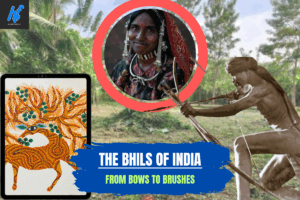
The Bhils of India: A Rich Culture From Bows To Brushes

The tribal heritage of India is incomplete without acknowledging the Bhils. They are the largest, indigenous, and ancient tribe who are strongly suriving in India. The identity of the Bhils date back to the ages of Ramayana that states about Bhil settlement at Dandakaranya nearly around 7,000 BCE. But the Bhils now have a wider […]
The Moplahs or Mappilas of Malabar coastal region of Kerala India

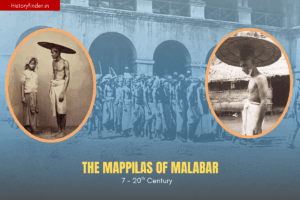
The Mappilas of Malabar: A Symbolic Blend of India-Arab Cultures

The Moplahs migrated at the Malabar Coast of Kerala during 7th century CE, via the maritime trade relations with Arab countries. Until 16th century CE, the community was recognized in the country as extreley rich and influenetial. But after the rise of Portuguese in the region, the status of the Moplahs declined drastically. The British colonial era had been the toughest period of survival for the Mappilas at Malabar region. They fought their fights of survival for centuries, especially during Portuguese and British era. However, after Freedom of India, the Moplahs got back their old status to some extent. Despite their very long and larges struggles, the Mappilas has always made significant contributions to Kerala’s social, cultural, and economic life.

History of Gwalior Gharana - the oldest form of Indian Classical Music

History of Gwalior Gharana: Evolving Indian Classical Music

Gwalior Gharana is one of the oldest and most prominent schools in the history of Indian classical music. Khayal is the oldest form of Indian classical music. Introduction of Gwalior Gharana played a crucial role in shaping the tradition of Khayal singing over a period of time. The typical style of classical signing connects to

Scroll to Top