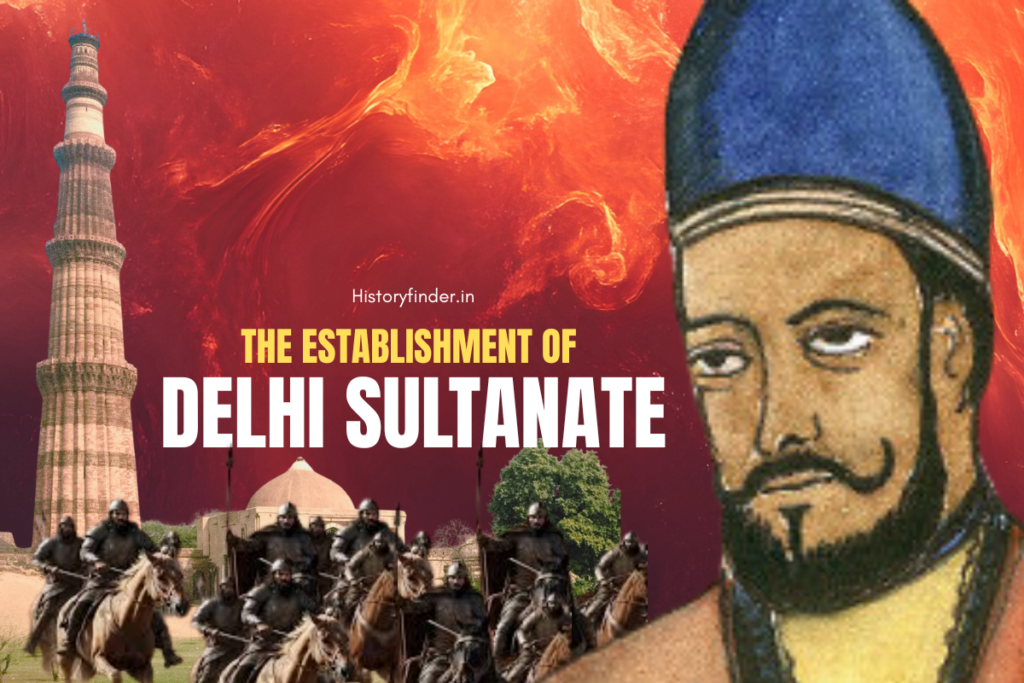
In 1206, power in northern India stood on a knife’s edge. An accident that shattered a rapidly growing empire. In such dramatic circumstances, the establishment of Delhi Sultanate took place and the history of India took a massive turn.
Muhammad Ghori was assassinated. All of a sudden, the conqueror who had shattered Rajput resistance and carved out vast territories—was dead. His empire stretched across mountains and plains, but it had no secure heir. Governors commanded distant provinces. Rival generals watched each other closely. Loyalty could shift overnight.
Delhi waited. Rivals watched.
Among Ghori’s commanders stood Qutb-ud-din Aibak. He had not been born to royalty. Rather, he had been sold as a slave. Yet through discipline and military skill, he rose to command armies and govern key territories. He understood what many others did not: in moments of uncertainty, hesitation invites collapse.
Aibak did not hesitate.
He secured Delhi and strengthened his hold over Lahore. He asserted independence from fading Ghurid authority. In doing so, he transformed a vulnerable province into the center of a new state.
The Establishment of the Delhi Sultanate (1206) was not a quiet succession. It was a decisive claim to sovereignty during a fragile transfer of power. From that moment, Delhi ceased to be a frontier outpost. It became the seat of a Sultanate that would shape medieval India for nearly three centuries.
History often remembers empires at their height. But this one began in uncertainty—and in the resolve of a former slave who recognized his moment.
To understand how this turning point unfolded, we must step back into the political world that existed before 1206.
Political Background Before 1206
Before 1206, northern India did not lack power. It lacked unity.
Rajput kingdoms ruled vast territories. They commanded armies and defended forts. Yet they competed against one another as often as they resisted external threats. Rivalries drained strength. Alliances shifted.
Into this divided landscape stepped Muhammad Ghori. Unlike earlier raiders, he did not seek plunder alone. He sought control. His victory over Prithviraj Chauhan at the Second Battle of Tarain in 1192 changed the balance of power permanently. Delhi and Ajmer fell under his authority.
But Ghori ruled from afar. He relied on trusted military slaves to govern India. Among them, Qutb-ud-din Aibak emerged as the most capable. From Delhi, he maintained order. He suppressed rebellions. He strengthened his command quietly.
By the early 13th century, the structure of a new regime already stood in place. It only awaited a decisive break.
The Death of Muhammad Ghori and the Power Vacuum
When Muhammad Ghori died in 1206, his empire fractured almost immediately.
No single successor commanded universal loyalty. In Central Asia, rival claimants fought for dominance. In India, the question became urgent: who would control Delhi?
Aibak understood that delay would invite chaos. Other governors could claim authority. Regional chiefs could revolt. The fragile network Ghori had built might collapse.
So Aibak acted.
He consolidated Delhi and Lahore. He secured military support. Eventually, he declared himself the Sultan. With that act, he ended direct Ghurid rule in India and asserted independence.
The establishment of the Delhi Sultanate did not emerge from ceremony. It emerged from necessity—and calculation.
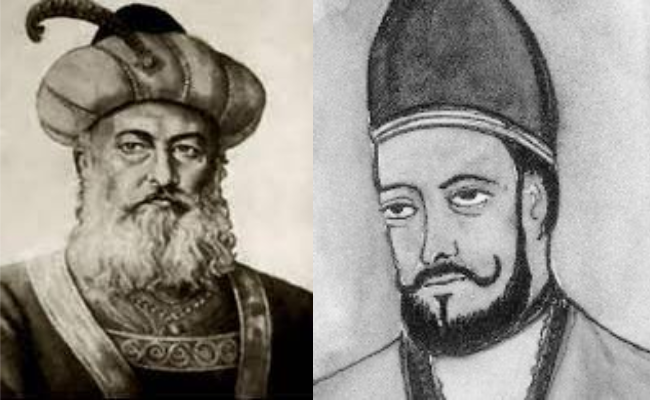
Qutb-ud-din Aibak: Founder of the Sultanate
Aibak’s rise thus carried symbolic weight.
Aibak was born in Central Asia and sold into slavery. Despite the early challenges, he rose through the military ranks through ability and loyalty. His career reflected the Mamluk system, where merit could elevate a man beyond birth.
As Sultan, he faced immediate tests. Rivals watched closely. Territories remained unstable. He could not afford weakness.
Instead of reckless expansion, Aibak chose consolidation. He strengthened administrative control. He reinforced military authority. He began construction projects in Delhi, including the Qutub complex, to signal permanence.
But unfortunately, Aibak’s reign lasted only four years. Despite that, those years transformed a vulnerable command into a sovereign state.
Aibak did not build an empire at its peak. He built its foundation.
QUTUB MINAR AND ITS MONUMENTS
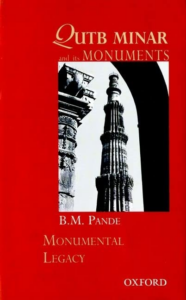
Located a few kilometres to the south of central Delhi, is the sprawling complex housing one of the capital’s best-known landmarks-the Qutb Minar. Impressively ornate and beautifully calligraphed, this soaring tower of medieval vintage attracts many visitors from all across the globe.
The author takes readers on a wondrous journey through temples, tombs, dargahs, step-wells and tanks, gateways, madrasas, sarais, palaces, gardens, and mosques representing different historical periods.
[We may earn some commission if you buy a product from this link below. That will help us maintain this historical website.]
Immediate Consequences of 1206
The establishment of Delhi Sultanate changed Delhi’s destiny.
The city became the political heart of a new Sultanate. Authority shifted from distant Ghurid control to an Indian-centered regime. With this transformation, power now radiated outward from Delhi.
Obviously, the new Sultanate faced resistance. Rajput rulers tested its strength. In fact, the regional chiefs also sought independence. But the institutional framework held.
The Mamluk (Slave) Dynasty had begun. Under successors like Iltutmish, the structure Aibak created would solidify into a durable state. Which meant, what began as a moment of uncertainty evolved into organized rule.
Long-Term Historical Impact
The establishment of the Delhi Sultanate in 1206 reshaped the trajectory of medieval India. It introduced new administrative models influenced by Persian traditions. It deepened connections with Central Asia. It encouraged cultural exchanges that transformed language, architecture, and governance.
Over time, Delhi became more than a capital. It became a symbol of centralized authority in northern India.
Future dynasties—the Khaljis, Tughlaqs, Lodis—would inherit this framework. Even the Mughals would build upon foundations laid in 1206. This event thus did not merely mark the rise of a ruler. Rather, it marked the beginning of a political era.
Conclusion
The Establishment of the Delhi Sultanate (1206) was not a routine succession. It was rather a decisive shift in power at a moment of uncertainty.
When Qutb-ud-din Aibak claimed authority in Delhi, he did more than fill a vacuum. He anchored a new political order in northern India. From fragile beginnings emerged a centralized Sultanate that would endure for nearly three centuries.
The year 1206 marked the end of Ghurid control and the rise of an independent regime rooted in Delhi. It reshaped governance, strengthened military organization, and redirected the region’s political future.
Empires often appear inevitable in hindsight. Yet the Delhi Sultanate began with risk, calculation, and resolve. In that sense, its true foundation was not only territorial—it was strategic.
And from that strategy, a new era in Indian history began.
FAQs—About the Establishment of Delhi Sultanate
Qutb-ud-din Aibak established the Delhi Sultanate in 1206 after the death of Muhammad Ghori. He declared himself Sultan and began independent rule from Delhi.
No. The early years involved consolidation of power and suppression of rivals. Stability increased under later rulers like Iltutmish.
You May Also Like
Nalanda University History – The Lost Intellectual Capital of Asia
Historical Value of the Rig Veda as a Source of Early Indian History

History of Delhi: Rise, Destruction, and Rebirth of India’s Eternal Capital
The Making of Raigad: The Capital of Chhatrapati Shivaji Maharaj
Rajput Kingdoms: History, Culture, Dynasties and Their Legacy
History of the Maratha Empire: Rise, Expansion, and Fall of a Powerful Confederacy
Diamonds, Spices, and Horses: Global Trade of The Vijayanagara Empire
How Vijayanagara Empire Was Born: History of A Grand Revival

Chanakya and Nanda Dynasty: Ancient India’s History Changing Strategies

Chandragupta Maurya and Chanakya: Rise of the Mauryan Empire
Ancient Marathwada History – The Untold Trade Routes