Generally, cities are born once. But Delhi was born many times. The history of Delhi is not a linear rise of power. It is a cycle of conquest, collapse, and resurrection. Empires chose it. Invaders coveted it. Rulers eventually chose to rebuilt it, even after devastation.
Strategically positioned along the Yamuna River and near the Indo-Gangetic plains, Delhi became the gateway to northern India. Whoever controlled Delhi, has also controlled access to wealth, trade routes, and political legitimacy. From Rajput fortifications to the rise of the Delhi Sultanate, from the architectural grandeur of the Mughal Empire to the calculated urban planning of the British Raj, Delhi remained the symbol of sovereignty.
It was looted by conquerors. Burned in war. Also abandoned by emperors. Yet it returned stronger, grander, and politically central each time.
Delhi is not merely a city. It is the stage upon which the history of India unfolded.
To understand its endurance, we must begin before the sultans and emperors—when Delhi was still a Rajput stronghold on the edge of ambition.
Early History of Delhi: Rajputs, Lal Kot, and the First Fortified Capital
Long before the imperial courts of the Delhi Sultanate or the grandeur of the Mughal Empire, Delhi was a Rajput frontier stronghold.
In the 8th–9th centuries, the Tomar Rajputs established control over the region. They built Lal Kot, one of the earliest known fortified settlements in Delhi. It was not yet the capital of empires, but it was strategically chosen.
Delhi sat near trade routes linking Punjab to the Gangetic plains. It lay close to the Aravalli hills, offering natural defense. It overlooked fertile lands sustained by the Yamuna River. Even in its earliest phase, Delhi possessed three advantages every ruler desired: geography, connectivity, and symbolism.
Later, in the 12th century, the Chauhans expanded Lal Kot into Qila Rai Pithora under the rule of Prithviraj Chauhan. Delhi was no longer just a fortress. Rather it was becoming a political center.
But its rising importance drew attention from beyond India’s northwest frontier.
In 1192, at the Second Battle of Tarain, Prithviraj Chauhan was defeated by Muhammad of Ghor. That victory opened the gates of Delhi to new rulers from Central Asia.
The fall of the Rajputs marked more than a dynastic shift. It signaled the beginning of a new political era. Delhi was about to transform—from a Rajput stronghold into the seat of a new Islamic empire in India.
📘 Recommended Reading:
(Affiliate Disclosure: As an Amazon Associate, I earn from qualifying purchases.)
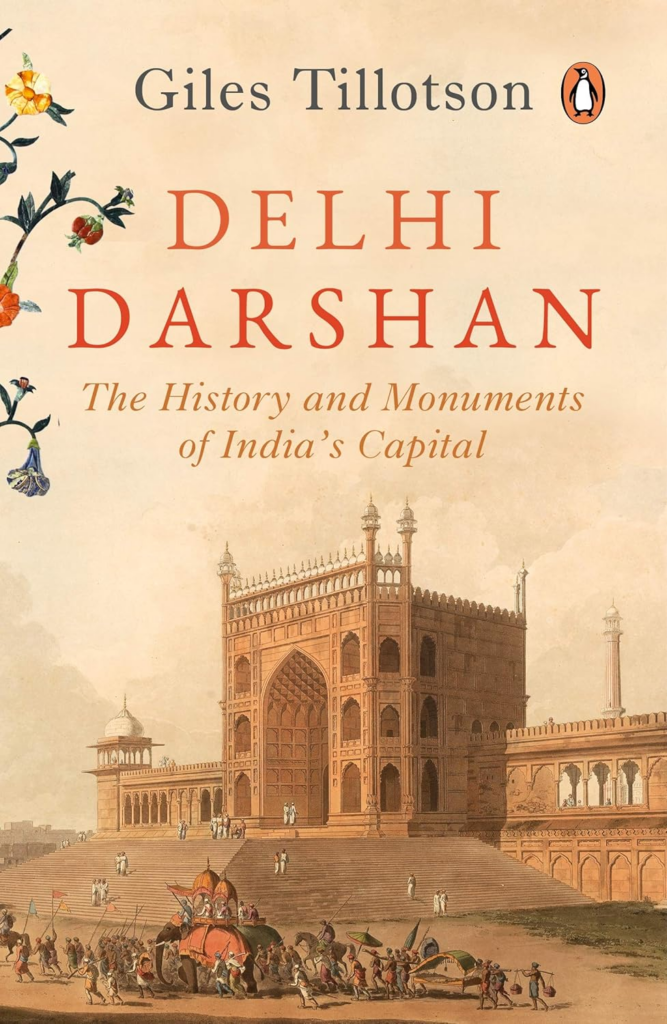
Delhi Darshan: The History and Monuments of India’s Capital
Giles Tillotson provides a fascinating account of Delhi’s built heritage, from the traces of the earliest settlements at Indraprastha, through the grand legacies of the Delhi Sultans and the great Mughals to the ordered symmetries of Lutyens’ Delhi and the towering skyscrapers of Gurgaon.
Delhi Sultanate: Power, Expansion, and Cities Within a City
In 1206, a former slave-general, Qutb al-Din Aibak, declared sovereignty in Delhi. As a result, the Delhi Sultanate was born. The history of Delhi, thereafter, entered a new phase of military expansion, architectural ambition, and political centralization.
The early Mamluk rulers consolidated power through swift campaigns. Under Iltutmish, Delhi became the unquestioned capital of North India. He secured recognition from the Abbasid Caliph, reinforcing legitimacy beyond military conquest.
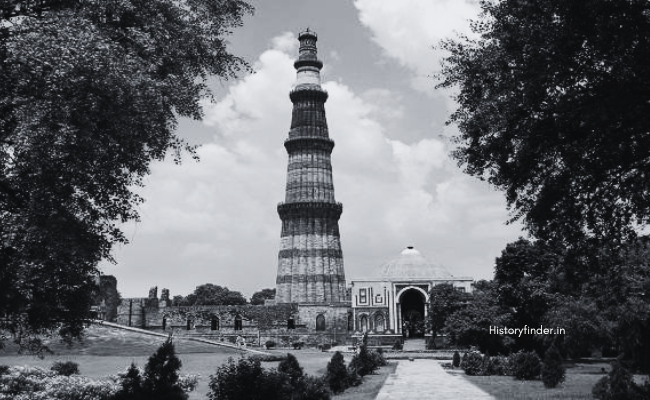
But the Sultanate was not a single dynasty. Moreover, it was a succession of ruling houses—Mamluks, Khaljis, Tughlaqs, Sayyids, and Lodis. Each dynasty reshaped Delhi in stone and strategy.
Decades later, the Khalji ruler Alauddin Khalji expanded the empire deep into the Deccan. His market reforms strengthened the economy and military supply system. Delhi flourished as an administrative powerhouse.
Then came the Tughlaqs—ambitious, visionary, and often controversial. Muhammad bin Tughlaq attempted bold experiments: shifting the capital to Daulatabad, introducing token currency, and planning vast expansions. But unfortunately, many of these policies strained the empire. Yet they reveal how central Delhi had become in imperial imagination.
One striking feature of the Sultanate period was this: Delhi was rebuilt repeatedly.
From Siri to Tughlaqabad to Jahanpanah to Firozabad. Each ruler constructed a new city within Delhi, fortifying power in stone. The Qutb complex rose as a symbol of victory. Massive walls and mosques marked authority. But Delhi’s centrality also made it vulnerable.
In 1398, Timur invaded. The city was plundered and devastated. Yet even after this destruction, Delhi did not fade. Still it remained the symbol of rule over Hindustan.
By the early 16th century, the Lodi dynasty held Delhi. But instability was growing. Once again, a challenger approached from the northwest. Delhi was about to witness the arrival of a new empire—one that would redefine its architectural and political identity.
Mughal Delhi: Splendor, Sovereignty, and the Architecture of Power
In 1526, after defeating Ibrahim Lodi at Panipat, Babur laid the foundation of the Mughal Empire. Delhi once again changed hands—but this time, it would become the heart of one of the most powerful empires in early modern history.
The early Mughals ruled from Agra for extended periods. Yet Delhi retained symbolic authority. It was under Shah Jahan that Delhi achieved architectural and political zenith.
In 1639, Shah Jahan began constructing Shahjahanabad—a new imperial city. At its center stood the Red Fort (Lal Qila), a palace-fortress symbolizing Mughal sovereignty. Nearby rose the Jama Masjid, commanding both devotion and dominance.
Delhi was no longer just a capital. It became an imperial statement in red sandstone and marble.
The Mughal court attracted scholars, poets, traders, and diplomats from across Asia and Europe. Persian culture flourished. Markets expanded. Administrative systems stabilized revenue and governance across vast territories. Yet Delhi’s splendor did not guarantee security.
In 1739, Nader Shah invaded and looted the city, carrying away immense wealth, including the Peacock Throne. The psychological blow was as severe as the material loss.
The 18th century saw repeated invasions and internal decline. By the time of Bahadur Shah Zafar, Mughal authority had weakened drastically. Delhi remained symbolically powerful, but politically fragile. Still, even in decline, Delhi held one essential truth: Whoever ruled Delhi claimed legitimacy over India.
That symbolic weight would soon pass into new hands.
British Delhi: Revolt, Repression, and the Making of New Delhi
By the mid-19th century, real power in India rested with the British East India Company. The Mughal emperor, however, remained in Delhi. But only as a symbolic figure.
In 1857, that symbolism turned revolutionary. The uprising that began as a sepoy mutiny soon transformed into a broader rebellion. Rebels marched to Delhi and declared support for Bahadur Shah Zafar, hoping to restore indigenous authority.
For months, Delhi became the center of resistance.
When British forces recaptured the city, the repression was brutal. Large sections of the old city were destroyed. The Mughal dynasty was formally abolished. Bahadur Shah Zafar was exiled to Rangoon.
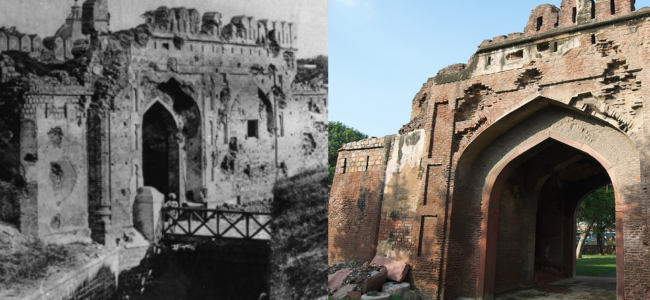
The Mughal era ended. Delhi’s imperial past seemed shattered. Yet the British understood something every previous conqueror had learned: Delhi meant legitimacy.
In 1911, King George V announced the transfer of the British Indian capital from Calcutta to Delhi. This decision was strategic and symbolic. The British were not merely shifting administration—they were placing themselves in the lineage of Delhi’s former rulers.
A new city rose south of Shahjahanabad—New Delhi, designed by architects Edwin Lutyens and Herbert Baker. Wide avenues replaced crowded medieval streets. Government buildings, including the Viceroy’s House (now Rashtrapati Bhavan), embodied imperial authority in stone.
Delhi was rebuilt—again.
When India gained independence in 1947, New Delhi became the capital of a sovereign republic. The city that had hosted sultans, emperors, and viceroys now became the political heart of modern India.
The history of Delhi had come full circle—but it was far from over.
Conclusion: Why Delhi Remains India’s Eternal Capital
The history of Delhi is not merely a succession of rulers. It is a pattern.
Empires rise elsewhere—but they seek validation in Delhi. Rajputs fortified it. The Delhi Sultanate centralized power from it. The Mughal Empire transformed it into an imperial masterpiece. The British reshaped it into New Delhi to anchor their authority.
Each regime understood the same truth: Delhi is more than territory. It is legitimacy.
Geography gave Delhi its first advantage. It sits at the crossroads of northern India, near the fertile plains and historic invasion routes. Trade, agriculture, and military movement converged here. But geography alone cannot explain survival.
Delhi endured because every conqueror rebuilt it instead of abandoning it. Even after plunder—by Timur, by Nader Shah, during 1857—the city returned. Not identical. Not untouched. But politically central.
Few cities in world history have served so many empires across so many centuries.
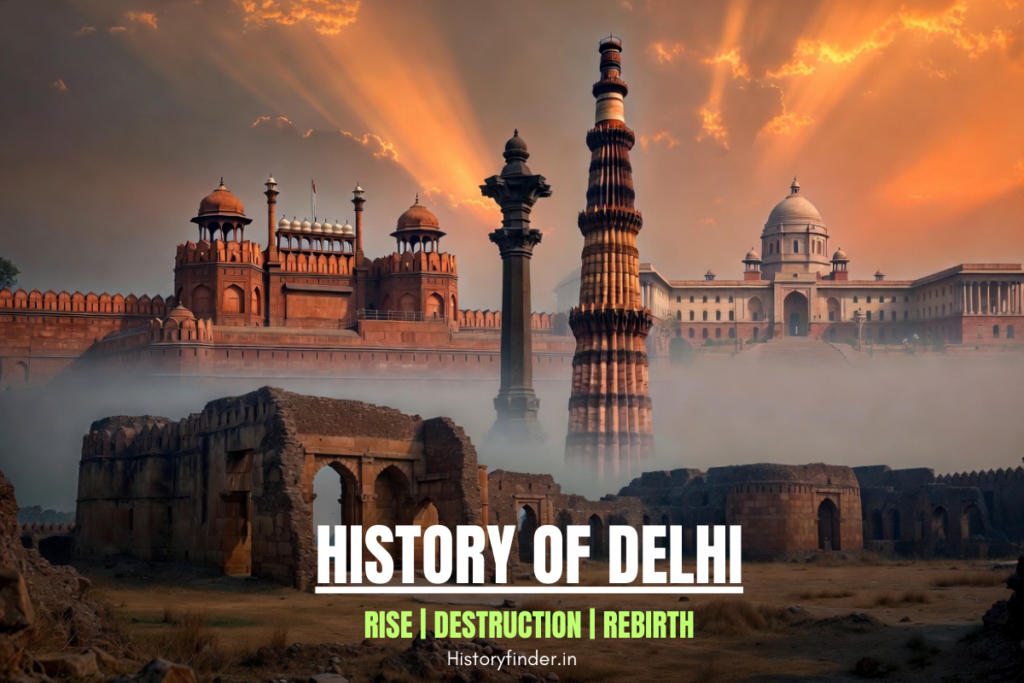
Today, as the capital of the Republic of India, Delhi carries layered memories—Rajput walls, Sultanate minarets, Mughal domes, colonial boulevards. Its skyline reflects cycles of ambition and reinvention.
The history of Delhi teaches a larger lesson about power in the subcontinent: Ruling Delhi has never been easy. But no empire that sought dominance could afford to ignore it. Delhi was conquered many times. Yet it was never truly defeated.
Frequently Asked Questions
Delhi is often called the Eternal City because it has been built, destroyed, and rebuilt multiple times across centuries. Despite invasions and political collapse, it remained India’s central seat of power.
The earliest known rulers of Delhi were the Tomar Rajputs, who built Lal Kot. Later, Prithviraj Chauhan of the Chauhan dynasty expanded the city before its conquest in 1192.
The Delhi Sultanate was established in 1206 by Qutb al-Din Aibak, marking the beginning of Muslim rule in Delhi.
Delhi symbolized legitimacy and imperial authority. Under Shah Jahan, the city was transformed into Shahjahanabad, with the Red Fort as the center of Mughal sovereignty.
During the Revolt of 1857, Delhi became the center of rebellion against the British East India Company. After suppressing the revolt, the British ended Mughal rule and exiled Bahadur Shah Zafar.
New Delhi became the capital of British India in 1911 and later the capital of independent India in 1947.
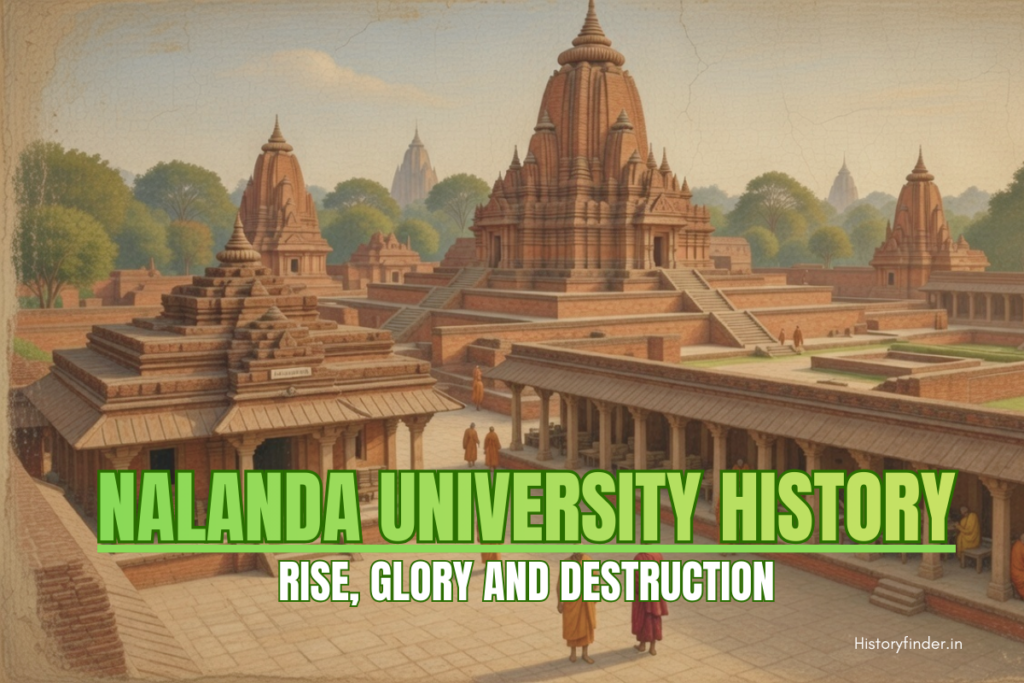
Nalanda University History – The Lost Intellectual Capital of Asia
Historical Value of the Rig Veda as a Source of Early Indian History
Establishment of the Delhi Sultanate: How a New Era Began in India
The Making of Raigad: The Capital of Chhatrapati Shivaji Maharaj
Rajput Kingdoms: History, Culture, Dynasties and Their Legacy
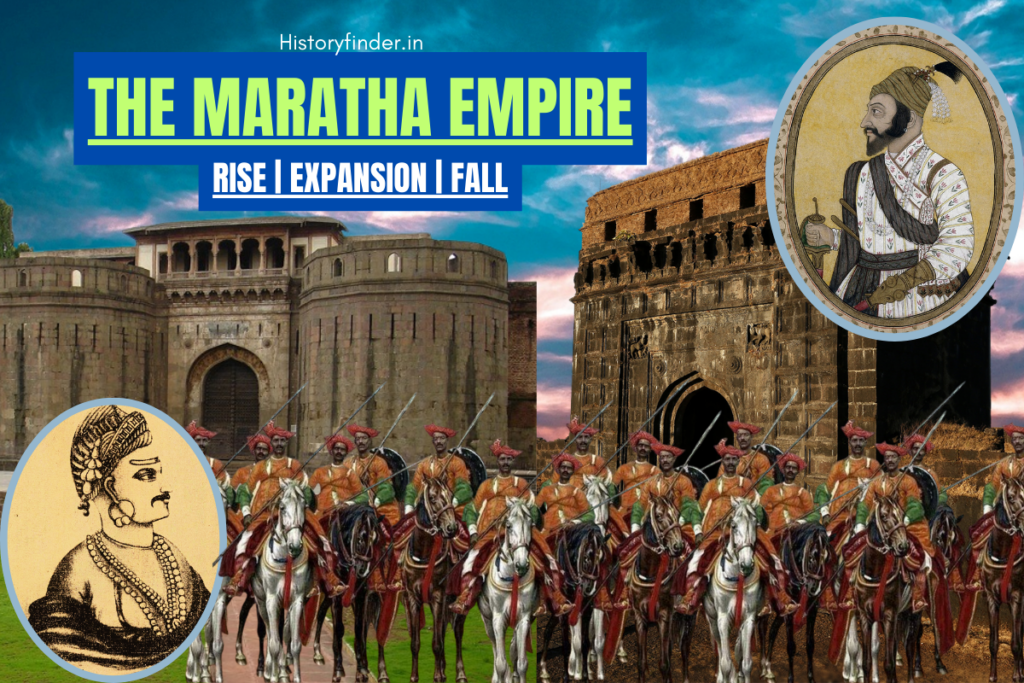
History of the Maratha Empire: Rise, Expansion, and Fall of a Powerful Confederacy
Diamonds, Spices, and Horses: Global Trade of The Vijayanagara Empire
How Vijayanagara Empire Was Born: History of A Grand Revival

Chanakya and Nanda Dynasty: Ancient India’s History Changing Strategies

Chandragupta Maurya and Chanakya: Rise of the Mauryan Empire
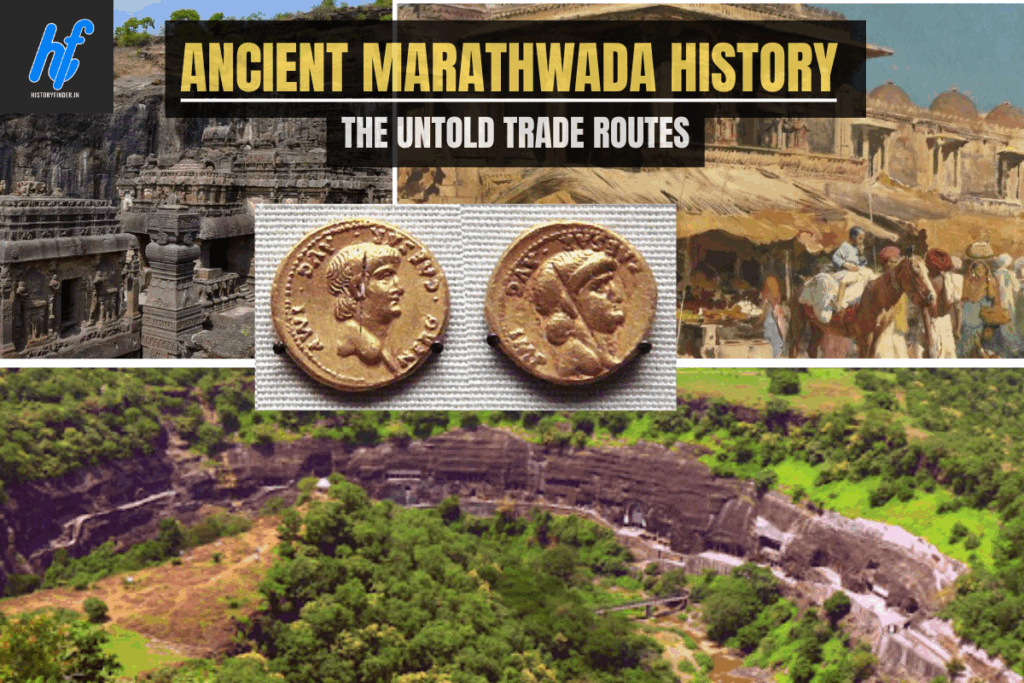
Ancient Marathwada History – The Untold Trade Routes