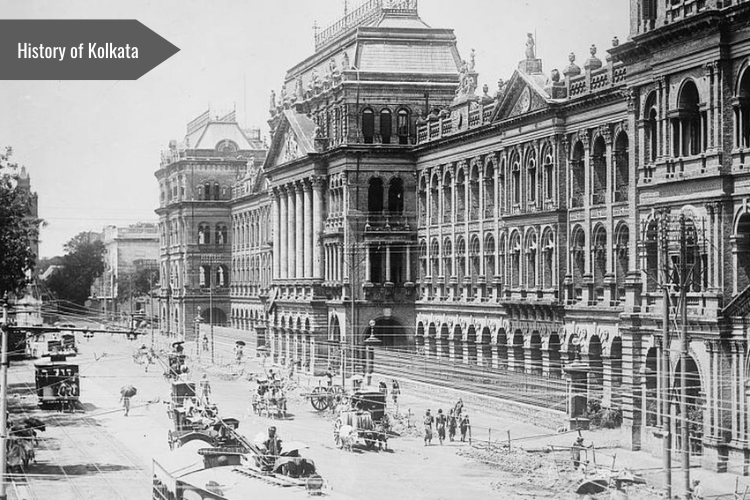
The history of Kolkata is a story of trade, empire, culture, and constant reinvention. The city stands today as one of India’s most influential urban centres. But its past is far older and far richer than its colonial image suggests. From early settlements along the Hooghly River to its rise as the capital of British India, Kolkata has grown through layers of political change, migration, cultural movements, and intellectual revolutions.
Kolkata is often called the “City of Joy”. But historically, it was a place of power, commerce, and innovation. The city became a major hub of the Bengal Renaissance, the freedom movement, and modern Indian education. Understanding the History of Kolkata offers insight into how a small cluster of villages transformed into one of South Asia’s most important cultural and political centres.
Yet, the history of Kolkata is not only a record of rulers and cities built on trade. It is a story of people—merchants who crossed oceans for fortune, scholars who shaped the Bengal Renaissance, revolutionaries who challenged an empire, and migrants who carried their cultures into the city’s growing neighborhoods. Every phase of Kolkata’s past left behind traces in its streets, architecture, festivals, and ideas. As we explore its origins and evolution, we uncover how a cluster of riverbank villages gradually transformed into a centre of learning, art, resistance, and identity. Each chapter of Kolkata’s history reveals another layer of the city we know today.
Early Origins and Pre‑Colonial Background of Kolkata
The history of Kolkata begins long before the arrival of the British. The region along the Hooghly River supported human settlement for centuries. Early communities lived by fishing, agriculture, river trade, and small‑scale crafts. The fertile riverbank and easy access to waterways made the area a natural point of contact for travellers, traders, and local kingdoms.
Local Kingdoms and Cultural Influences
The land that would later become Kolkata saw the influence of several regional powers. These included the Gauda Kingdom, the Pala Empire, and the Sena dynasty. Each left its own cultural and religious marks on the region. The spread of temples, shrines, and local markets suggests that the area was part of an active inland trade network. Although not a major city at this stage, the region was far from an empty landscape.
The Three Villages: The Earliest Form of Kolkata
Most historians agree that modern Kolkata grew from three historic villages: Sutanuti, Gobindapur, and Kalikata.
These small settlements were located on the eastern bank of the Hooghly. They were known for weaving, river trade, and boat building. The village of Kalikata, from which Kolkata derives its name, eventually became the centre of later development.
The Debate Around the “Founding” of Kolkata
A well‑known debate in the History of Kolkata involves Job Charnock, an administrator of the East India Company. For decades, he was credited as the “founder” of the city. Actually, from the stand point of British colonial settlement, Job Charnock may still be regarded as ‘the founder of Kolkata’. But recent historical research, however, challenges this idea. Scholars now argue that Kolkata existed as a thriving set of settlements long before Charnock arrived in 1690 CE.
This shift in understanding highlights an important truth. Kolkata was not created overnight. It evolved over centuries through layers of settlement, migration, culture, and trade.
The Etymology and Early Identity of Kolkata
The name Kolkata (or Calcutta) has several proposed origins. Many historians connect it to the local pronunciation of Kalikata, one of the three foundation villages. Others link it to “Kali‑kshetra”, meaning “the land of Goddess Kali,” reflecting the region’s strong religious traditions.
Regardless of interpretation, the name shows how culture, belief, and geography shaped the early identity of the area.
Establishment of Kolkata by the British (1690 onwards)
The arrival of the British East India Company marked a major turning point in the history of Kolkata. By the late 17th century, the Company sought secure trading posts along the eastern coast of India. The Hooghly River offered deep waters and strategic access to inland markets. In 1690, Company officer Job Charnock reached the region and selected it as a trading settlement.
How the Three Villages Formed Early Calcutta History
Although modern research challenges the idea that Charnock “founded” the city, undoubtedly the Company’s arrival reshaped the future of the region. The British gradually took control of the three villages—Sutanuti, Gobindapur, and Kalikata. These villages were merged into a new trading settlement. Kalikata, in particular, became central to British plans because its land was available for long‑term lease.
This unification marked the start of Kolkata’s transformation from rural settlements to an urban centre.
Fort William and the Growth of Colonial Calcutta
One of the earliest major constructions during this phase was Fort William. The fort served as a defensive structure and the headquarters of the Company’s growing operations. It was not only a military base but also a symbol of British authority in Bengal.
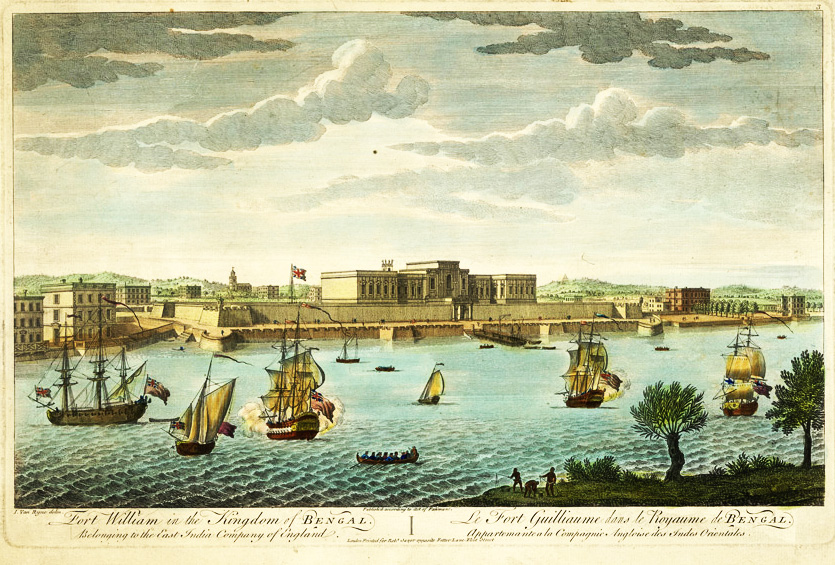
The presence of Fort William encouraged merchants, artisans, traders, and labourers to settle around the fort’s perimeter. This early population growth created the foundation of the city’s future expansion.
Rapid Growth of a Colonial Port
By the early 1700s, Kolkata had begun to expand rapidly. The East India Company developed roads, warehouses, markets, and administrative centres. The location along the river turned Kolkata into a major port city, attracting goods, ships, and traders from across Asia and Europe.
The British introduced new systems of:
- Trade and taxation
- Urban organisation
- Law and administration
- Security and governance
This era marked the beginning of Kolkata’s rise as a commercial hub.
The Shift From Village Cluster to Emerging City
The growing importance of trade and commerce changed the social structure of the region. Local Bengali communities, including weavers, artisans, fishermen, and traders, interacted daily with European merchants. New neighbourhoods formed around economic activities. Markets expanded. Employment opportunities increased. The city began to develop a layered identity, shaped by local traditions and foreign influence.
This early colonial phase set the stage for Kolkata’s next transformation—its rise as the capital of British India.
Kolkata as the Capital of British India
A major milestone in the history of Kolkata came in 1772, when the British made the city the capital of British India. This decision transformed Kolkata from a trading settlement into the most important administrative centre in the region. The shift also placed it at the heart of political decisions that shaped South Asia for more than a century.
Growth of Colonial Kolkata
Once Kolkata became the administrative capital, the city expanded rapidly. New government offices, courts, educational institutions, and residential areas were built. The British introduced Western systems of law, taxation, education, and urban planning. These changes altered the city’s structure and daily life.
Colonial Kolkata developed a distinct identity. European architecture began to appear alongside traditional Bengali neighbourhoods. The city’s port grew into one of the busiest in Asia. International merchants, scholars, missionaries, and labourers arrived in large numbers.
Calcutta’s Economic Transformation
During this period, Kolkata became a major centre of trade, finance, and industry. Jute, opium, textiles, coal, and tea passed through its bustling port. British companies opened factories and warehouses. Banks and insurance firms emerged, making the city the financial capital of the region.
This economic boom shaped everyday life in Kolkata. New professions appeared. Migrants from across India arrived seeking work. The city became a melting pot of languages, communities, and cultures.
Cultural and Intellectual Growth
Kolkata was not only a political and economic hub. It soon became the cultural heart of the subcontinent. The city fostered an atmosphere that encouraged literature, art, theatre, and debate. This period saw the rise of great minds and the beginnings of the Bengal Renaissance.
Writers, philosophers, and reformers found Kolkata a fertile ground for new ideas. Educational institutions like Hindu College (later Presidency University) played a key role in shaping modern Indian thought.
Foundations for a Changing India
This era laid the foundations for the city’s later involvement in the freedom movement, social reforms, and intellectual revolutions. The transformation during this period explains why Kolkata played such an influential role in modern Indian history.
Kolkata in India’s Freedom Movement
The history of Kolkata took a dramatic turn during the freedom struggle. By the late 19th century, Kolkata had become a centre of political discussion, public debate, and nationalist sentiment. The city’s colleges, clubs, and literary societies turned into meeting points for students, reformers, and writers who questioned British rule.
Kolkata was not just a backdrop to political change. It was a driving force behind it.
The Swadeshi Movement Begins in Calcutta
One of the most powerful nationalist campaigns, the Swadeshi Movement of 1905, began in Kolkata. The movement was triggered by the Partition of Bengal. Citizens boycotted foreign goods. They promoted Indian industries. Public meetings, marches, and symbolic burnings of British cloth became common scenes.
The protests showed how united the people of Kolkata had become in defending national identity.
Rise of Revolutionary Groups
Colonial Kolkata also witnessed the rise of several revolutionary organisations. Groups like Anushilan Samiti and Jugantar planned armed resistance against British rule. These groups attracted young people of all genders who were ready to dedicate their lives to freedom.
Secret printing presses, coded messages, and underground networks operated in various parts of the city. This made Kolkata a major base of anti‑colonial revolution.
Intellectual and Cultural Resistance
The city’s role in the freedom struggle extended beyond street protests. Kolkata became the intellectual capital of the movement. Writers, poets, educators, and reformers used literature, lectures, plays, and public discussions to inspire national consciousness.
Figures like Rabindranath Tagore, Bankim Chandra Chattopadhyay, Aurobindo Ghose, and Subhas Chandra Bose all had strong links to the city. Their ideas shaped modern Indian thought and strengthened the national movement.
Impact on the Future of India
Kolkata’s resistance—both revolutionary and intellectual—played a major role in weakening British control. The city produced leaders, thinkers, activists, and countless unnamed citizens who helped shape India’s struggle for independence.
Kolkata’s role in the freedom struggle influenced India long after independence. The city shaped leaders, ideas, and methods of resistance that later spread across the country. Its mix of revolutionary action and intellectual debate helped define modern India’s political character. These contributions ensured that Kolkata remained a guiding force as the nation moved into a new era. This set the stage for the city’s next phase of change after 1947.
Post‑Independence Evolution of Kolkata
After independence, Kolkata entered a new phase marked by social change and shifting economic realities. The end of British rule removed the city from its earlier role as an administrative capital. New Delhi took that position. As a result, Kolkata had to redefine its identity in a newly independent nation.
Demographic Shifts and Refugee Movement
One of the most significant changes in Kolkata’s post‑independence history came with the partition of Bengal. Large numbers of refugees arrived from East Pakistan (now Bangladesh). This sudden population increase reshaped neighbourhoods, markets, and public life. The influx also brought new skills, traditions, and a renewed cultural energy.
Industrial Highs and Lows
In the decades that followed, Kolkata grew as an industrial centre. Jute mills, engineering works, and manufacturing units provided employment to thousands. Over time, however, changing economic policies and labour issues led to a decline in some traditional industries. These shifts affected the city’s economy and contributed to migration trends.
Cultural Strength and Urban Identity
Despite economic challenges, Kolkata retained its identity as a cultural capital. Literature, cinema, theatre, art, and festivals remained central to life in the city. Institutions such as the Indian Museum, the National Library, and the Academy of Fine Arts continued to influence cultural dialogue across India.
The city’s intellectual tradition remained strong. Writers, filmmakers, historians, and educators kept Kolkata at the forefront of India’s cultural imagination.
A Modern City Connected to Its Past
Today, Kolkata blends modern transport, IT parks, and new infrastructure with its older colonial architecture and cultural spaces. The city manages to balance change with memory. This combination gives Kolkata its distinctive character and continues the story that began centuries ago along the Hooghly.
21 Interesting Facts About the History of Kolkata
Below are some engaging and easy‑to‑read facts that highlight the long and layered story of Kolkata. These facts help readers appreciate how the city evolved from small riverbank villages into a major cultural and political centre.
1. Kolkata began as three distinct villages
The early form of Kolkata grew from three small riverside villages—Sutanuti, Gobindapur, and Kalikata. Each village had its own social structure, local markets, and patterns of occupation. Sutanuti was known for its thriving weaving community, while Gobindapur housed many early settlers linked to local zamindars. Kalikata became the most significant because the British secured long‑term rights over the area. The merging of these villages marked the first major step toward the creation of a unified urban centre.
2. The idea of Job Charnock as the “founder” is debated
For decades, Job Charnock was credited as the founder of Kolkata, mainly due to colonial narratives. Modern historical research, however, shows that the area was already populated and economically active long before his arrival in 1690. Charnock’s contribution is better understood as establishing a permanent British trading post rather than creating a city. The controversy led to a landmark ruling in 2001 that rejected the “founder” theory. This debate highlights how colonial interpretations sometimes oversimplified indigenous histories.
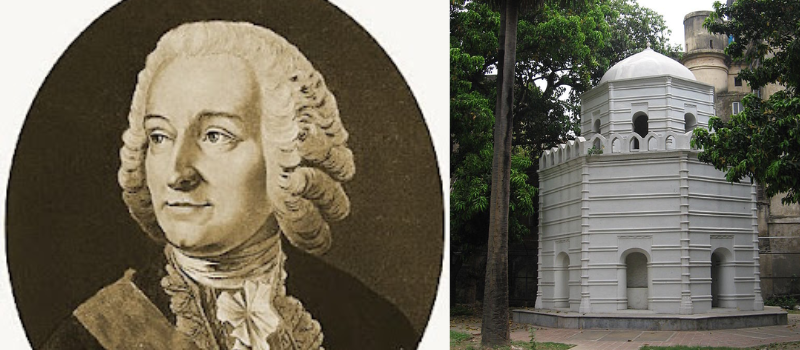
3. Kolkata was the first capital of British India
In 1772, Kolkata became the capital of British India, giving it immense administrative importance. The decision reflected the city’s role as a major port and commercial hub. British governance, law, and bureaucracy were structured from Kolkata for decades. This made the city central to both colonial control and early nationalist resistance. The legacy of this period can still be seen in the city’s architecture and public institutions.
4. The Bengal Renaissance started here
Kolkata played a central role in the Bengal Renaissance, a movement that transformed art, science, literature, and philosophy in India. Scholars and reformers challenged social customs and promoted new forms of learning. Institutions like Hindu College nurtured students who later became leading thinkers. The city became a space where European ideas interacted with Indian traditions. This movement shaped modern Indian identity in profound ways.
5. The city played a major role in the freedom movement
Kolkata was one of the earliest centres of organized resistance against colonial rule. The Swadeshi Movement, triggered by the Partition of Bengal, began here. Revolutionary groups used the city’s crowded lanes and educated youth population to build networks. Public meetings, printing presses, and student groups strengthened political awareness. This combination of intellectual and physical resistance made Kolkata a crucial base of the freedom struggle.
6. Kolkata’s port was one of the busiest in Asia
The Hooghly River turned Kolkata into a major maritime hub during the colonial period. Ships from Europe, China, and Southeast Asia regularly docked at its port. The city became central to the trade of jute, opium, tea, textiles, and other commodities. This economic activity attracted merchants, bankers, and labourers from various regions. The port’s importance shaped the city’s multi‑ethnic population.
7. Colleges in Kolkata changed Indian education
Institutions like Hindu College and Calcutta University introduced modern education in India. They offered courses in science, humanities, and law at a time when traditional learning dominated most regions. These colleges produced leaders who shaped politics, literature, and social reform. Their classrooms hosted debates that influenced national movements. The educational landscape they created still defines Kolkata’s intellectual culture.
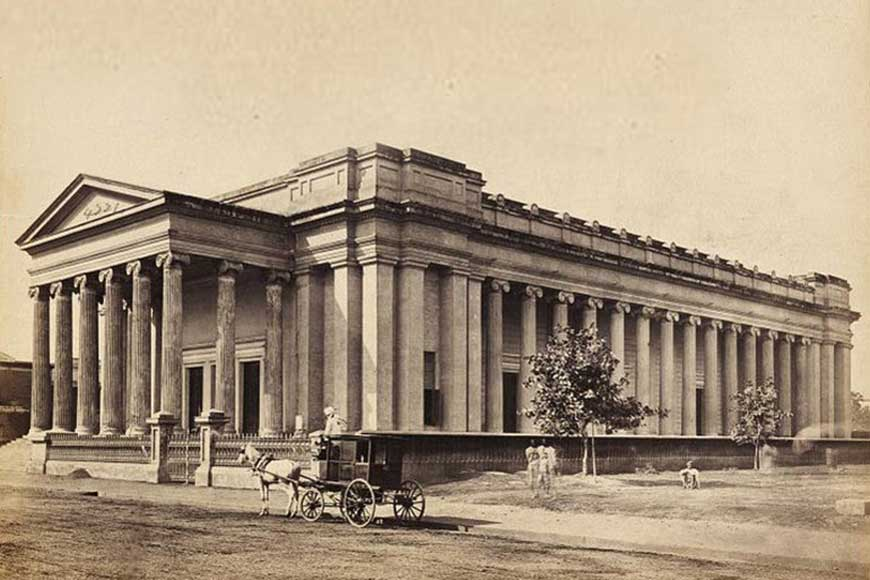
8. Kolkata is home to India’s oldest museum
The Indian Museum of Kolkata, established in 1814, is one of the oldest museums in Asia. It houses rare sculptures, fossils, artefacts, and manuscripts. Early British scholars used the museum to study Indian culture and natural history. Local historians and artists also contributed to its collections. The museum reflects the long tradition of research and learning in the city.
9. The city once had the highest concentration of newspapers in India
Kolkata’s vibrant public sphere encouraged the growth of journalism. Newspapers in Bengali, English, and other languages shaped political awareness. Editorials and essays often challenged colonial policies. Many revolutionary ideas spread through these publications. This made print culture an important part of the city’s social life.
10. The Howrah Bridge is an engineering landmark
Completed in 1943, the Howrah Bridge became one of the world’s longest cantilever bridges. It connected Howrah with Kolkata and transformed mobility across the region. The bridge carried massive volumes of traffic even before independence. Its construction showed the engineering ambitions of the era. Today, it remains a symbol of the city’s identity.
11. Tram services still operate here
Kolkata is the only Indian city with a functioning tram network. Introduced in the 19th century, trams became a major part of everyday transport. They moved through narrow streets and connected key commercial zones. The system reflected early urban planning under colonial rule. Today, trams continue as a nostalgic yet functional link to the city’s past.
12. Kolkata’s Durga Puja is world‑famous
The city’s grand Durga Puja celebrations blend art, devotion, and community life. Pandals display elaborate themes ranging from mythology to modern issues. Families and friends gather across neighbourhoods to enjoy the festivities. The festival has grown into a major cultural event with international recognition. It reflects the creative spirit of Kolkata.
13. Its architecture is a blend of many eras
Kolkata’s buildings reflect centuries of change. Colonial structures stand alongside traditional Bengali houses. Art Deco, Gothic Revival, and Neoclassical styles appear across the city. Local neighbourhoods preserve older forms like the courtyard‑style bonedi bari homes. This architectural diversity shows the city’s layered history.
14. Kolkata’s cultural life shaped Indian cinema
The city nurtured filmmakers, writers, and actors who shaped Indian cinema. Studios and film clubs encouraged experimentation. Directors like Satyajit Ray brought global attention to Indian storytelling. Literary works often became the basis for notable films. This connection between literature and cinema remains strong.
15. Tea culture became part of daily life here
Tea stalls, or cha er dokan, became social centres across the city. Students, workers, and intellectuals discussed ideas over cups of tea. These gatherings helped shape public opinion and cultural debate. The habit grew stronger during and after the freedom movement. Today, tea culture remains a defining part of daily life.
16. The city saw major social reform movements
Kolkata’s intellectual environment encouraged debate on social practices. Reformers challenged issues such as child marriage and caste discrimination. Efforts were made to promote women’s education and rights. Newspapers and literary groups supported these reforms. This spirit of questioning shaped modern Indian society.
17. The Hooghly River shaped the city’s identity
The river supported fishing, trade, and transport for centuries. Settlements grew along its banks long before the British arrived. The Hooghly also connected Kolkata to inland markets and distant ports. Its presence influenced where people lived and worked. Even today, it remains central to the city’s geography.
18. Kolkata has one of India’s oldest book markets
College Street is a landmark for readers and scholars. The market developed around early educational institutions. Students, writers, and researchers visit the area to find rare and affordable books. Its shops and stalls help preserve Kolkata’s literary culture. The market is an enduring symbol of the city’s intellectual life.
19. Football became a cultural passion here
Kolkata was one of the earliest centres of Indian football. Clubs like Mohun Bagan inspired national pride, especially after their 1911 victory over a British team. Local tournaments attracted large crowds. Football became part of neighbourhood identity and community rivalry. This passion continues across generations.
20. Many Nobel laureates are connected to the city
Several Nobel laureates lived, worked, or studied in Kolkata. Their contributions spanned literature, science, and peace. Institutions in the city supported their research and creativity. Their legacies strengthened Kolkata’s global intellectual reputation. These connections highlight the city’s long scholarly tradition.
21. Kolkata remains the “City of Joy”
The title reflects the warmth, humour, and resilience of its people. Despite challenges, the city maintains a vibrant cultural life. Festivals, art, theatre, and everyday interactions carry a unique energy. The blend of old and new gives Kolkata its enduring charm. This spirit continues to define the city today.
Conclusion
The history of Kolkata is a layered story of migration, trade, empire, resistance, and cultural creativity. From its beginnings as three small villages along the Hooghly River, the city evolved through centuries of political change and social transformation. The colonial era reshaped its institutions, economy, and urban identity. The freedom movement turned Kolkata into a centre of national awakening. After independence, the city continued to reinvent itself while preserving its intellectual and artistic spirit.
Kolkata’s past explains the character it holds today. A place where ideas flow freely. A city shaped by debates, festivals, books, and memories. A space where tradition and modernity coexist in everyday life.
To understand Kolkata is to understand a part of India’s own journey. Its history shows how a city can adapt, endure, and thrive across changing eras. And even today, Kolkata carries forward the energy, resilience, and cultural depth that defined its long and remarkable evolution.
FAQs on the History of Kolkata
Kolkata originated from three villages—Sutanuti, Gobindapur, and Kalikata—located along the Hooghly River. These villages had active local economies, weaving communities, and river‑based trade long before the British arrived. Over time, they merged into a single settlement that evolved into the city we know today.
The old name of Kolkata is Calcutta. The British used this name during their colonial rule. Modern Kolkata derives its name from Kalikata, one of the original villages.
The idea that Job Charnock founded Kolkata is now widely rejected. While he established a permanent East India Company base in 1690, historical research shows that the area was already inhabited and economically active long before his arrival. Kolkata grew gradually, not from a single founding event.
The British chose Kolkata as their capital because of its strategic river location, deep port, and access to inland markets. Its growing commercial importance and administrative infrastructure made it the ideal centre for British governance in 1772.
Kolkata is called the “City of Joy” because of its vibrant culture, literature, festivals, warmth of its people, and rich intellectual life. The name also reflects the city’s resilience and creative energy throughout its long history.
Kolkata played a major role in the national movement. The Swadeshi Movement began here in 1905. Revolutionary groups like Anushilan Samiti emerged in the city. Kolkata’s newspapers, colleges, and cultural circles helped build political awareness and anti‑colonial sentiment.
Fort William was the British military and administrative centre in early colonial Kolkata. It attracted workers, traders, and new settlers, making it central to the city’s urban growth. The fort symbolized British authority and shaped the development of surrounding neighbourhoods.
The Bengal Renaissance was a cultural and intellectual movement that produced major reforms in education, literature, science, art, and social practices. Kolkata was its heart. Writers, reformers, scientists, and thinkers in the city led the movement, shaping modern Indian thought.
Kolkata has a long tradition of literature, theatre, cinema, art, and festivals. Institutions like the Indian Museum, National Library, and College Street book market nurtured generations of scholars and artists. The city’s cultural life has shaped the identity of Bengal and India.
After independence, Kolkata saw major demographic changes due to refugee migration during the Partition. Industries grew and later faced transitions. The city maintained its cultural and intellectual leadership even as its economic landscape shifted, making it a blend of continuity and change.
I
You May Also Like
Nalanda University History – The Lost Intellectual Capital of Asia
Historical Value of the Rig Veda as a Source of Early Indian History
History of Delhi: Rise, Destruction, and Rebirth of India’s Eternal Capital
Establishment of the Delhi Sultanate: How a New Era Began in India
The Making of Raigad: The Capital of Chhatrapati Shivaji Maharaj
Rajput Kingdoms: History, Culture, Dynasties and Their Legacy
History of the Maratha Empire: Rise, Expansion, and Fall of a Powerful Confederacy
Diamonds, Spices, and Horses: Global Trade of The Vijayanagara Empire
Pingback: Victoria Memorial Kolkata history and architecture - History Finder
Pingback: Writers' Building Kolkata - History Finder
Pingback: Mysore Palace Karnataka history and architecture - History Finder
Pingback: Red Fort of Delhi history and invasions - History Finder
Pingback: History of Indian Museum Kolkata - History Finder
Pingback: History of Murshidabad: From Glory to Downfall - History Finder
Pingback: Battle of Plassey: Background and result - History Finder