In the silence of the midnight on August 15, 1947, India awoke to freedom. Pandit Jawaharlal Nehru’s words still give the goosebumps: “At the stroke of the midnight hour, when the world sleeps, India will awake to life and freedom”. His words became immortal in India’s history. But have you ever wondered why India’s independence was declared specifically on August 15, 1947? Was it symbolic, strategic, or merely coincidental?
Well, the selection of the date was not random. A number of political decisions, historical significance, and even global connections have gone behind this selection. So, let’s dive into the history behind August 15, 1947 start uncovering the facts, the reasoning, and some fascinating untold stories.
The Historical Build-up to Freedom
The Long Struggle for Independence
India’s road to independence was a result of century-long movements. It involved revolts, non-cooperation campaigns, underground resistance, and international diplomacy. But the most important factor was the hunger and passion for independence. It was mostly scattered. But the goal was common and genuine. From the First War of Independence in 1857 to Gandhi’s Quit India Movement in 1942, the call for freedom grew louder every decade.
During the mid 1940s, Britain’s grip on India looked weakened. The World War II had already drained the British economy. At the same time, the rise of Indian nationalist sentiment was unstoppable. Leaders like Mahatma Gandhi, Sardar Patel, Subhas Chandra Bose, and Jawaharlal Nehru pushed relentlessly for complete freedom of India.
The Mountbatten Plan to Declare India Free
The appointment of Lord Louis Mountbatten in 1947, as the last Viceroy of India, played a crucial role. Although his mission was clear and simple — transfer power to Indian leaders as soon as possible. But things were not that simple, nor the circumstances either.
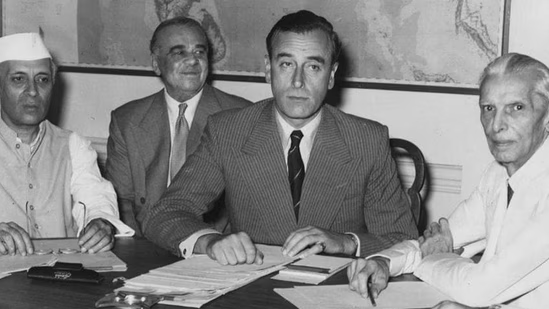
Originally, British empire had plans considering June 1948 for independence of India. However, mounting communal tensions and political unrest was rising every day. It forced Mountbatten to consider an earlier date to declare India free. After all sort of deliberations, Mountbatten decided to advance the date of Independence of India to August 15, 1947.
Why August 15?
Contrary to popular belief, the date August 15, 1947 didn’t have any Indian cultural or astrological reason behind it. The choice was deeply personal for Mountbatten.
The August 15, 1945, marked the surrender of Japan in World War II, ending the war in Asia. Mountbatten was Supreme Allied Commander in Southeast Asia then. Hence for him, the day was a symbolic day of liberation.
Mountbatten reportedly said: “August 15 was the day on which the Japanese surrendered. Therefore, it was a lucky date.”
Thus, India’s independence date was deliberately linked to a global historical milestone. No domestic politics, cultural significance or even any domestic milestone.
India and Pakistan – Two Midnights of Freedom
The historical decision of partition of British India came under implementation. Pakistan got the status of a free, but separate nation. Interestingly, Pakistan’s independence was declared on August 14, 1947, one day earlier. Reason of this decision again had personal interests of Mountbatten. He needed a days time to attend both the freedom celebration ceremonies personally.
This made August 14 and 15 twin historical dates — marking two nations’ birth amid celebrations and tragedy.
Facts about August 15, 1947 that Many Don’t Know
- Nehru’s speech wasn’t at midnight exactly – Nehru delivered his famous “Tryst with Destiny” speech was delivered just before midnight. He wanted the moment to coincide with the official date.
- No National Anthem at the time – On August 15, 1947, during the official declaration of India independence day, no national anthem existed. The “Jana Gana Mana” was officially adopted in 1950 as National Anthem of India.
- The National Flag was first hoisted at Red Fort only on August 15, 1947 – Before independence, no Indian leader had hoisted the National Flag at the Red Fort. Jawaharlal Nehru, the first prime minister of India, hoisted the National flag on the morning of August 15, 1947. It was a proud moment in the history of India.
- No official holiday notification in advance – Many schools and offices were unsure how to mark the day. No preparations of Independence day celebration were in place.
- Different states, different celebrations – The scale of celebrations varied. The Partition violence reflected in many places, even during the proudest moment of the nation.
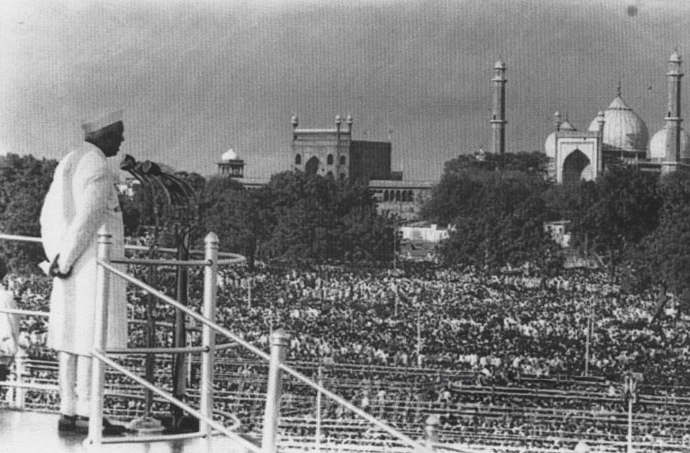
The Significance of August 15 in Indian History
Even though the date came from a personal decision, August 15 is now deeply rooted in Indian hearts. Over decades, it has evolved from being a day of political transition to a celebration of national unity, and progress.
The Independence Day celebrations involve:
- Flag hoisting at the Red Fort. The Prime Minister’s address to the nation.
- State Chief Ministers also hoist National flag and delivers their speech in their respective states.
- Cultural programs, parades, and patriotic songs across the country.
Global Connections to August 15
Interestingly, August 15 is also a national day in several other countries:
- South Korea – Liberation Day from Japanese rule (1945).
- Bahrain – Independence from Britain (1971).
- Congo – Independence from France (1960).
This makes August 15 a globally symbolic date for liberation movements.
Conclusion – More Than a Date
The independence of India on August 15, 1947 was not just a political milestone. Rather it was the culmination of a centuries-long struggle, and sacrifices. Although the date was chosen by the last Viceroy for his own symbolic reasons. But now it belongs to the Indian people forever.
From the history behind August 15 to the hidden facts that shaped it, all summerize one thing – the Independence of India. Understanding the value of this day is not just valuing our freedom, but the valuing collective determination that made it possible.
You May Also Like:
Nalanda University History – The Lost Intellectual Capital of Asia
Historical Value of the Rig Veda as a Source of Early Indian History
History of Delhi: Rise, Destruction, and Rebirth of India’s Eternal Capital
Establishment of the Delhi Sultanate: How a New Era Began in India
The Making of Raigad: The Capital of Chhatrapati Shivaji Maharaj
Rajput Kingdoms: History, Culture, Dynasties and Their Legacy
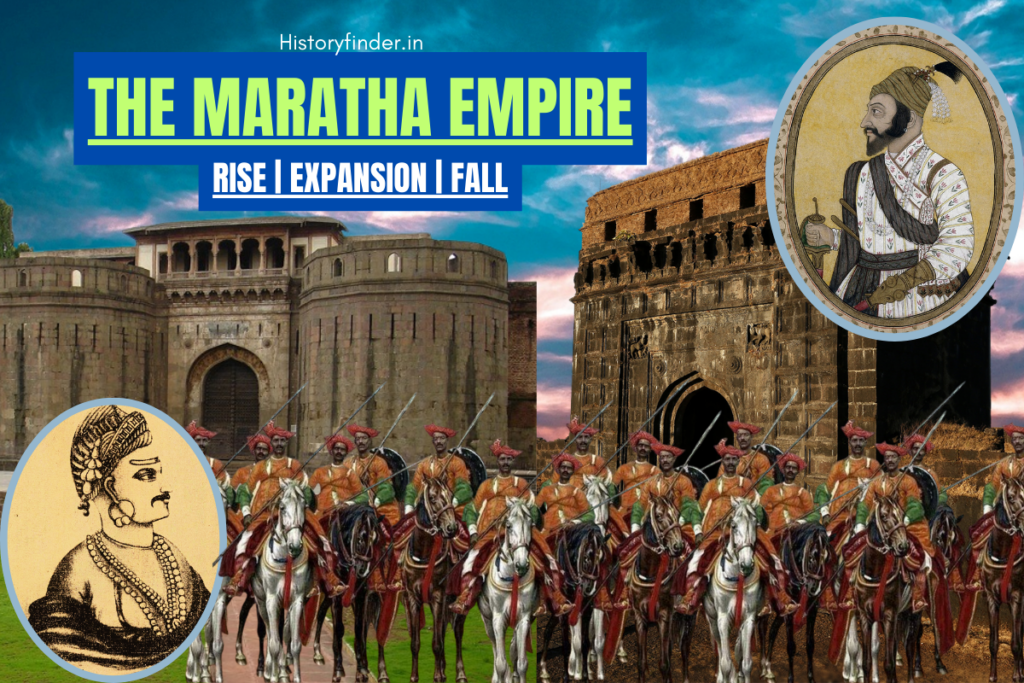
History of the Maratha Empire: Rise, Expansion, and Fall of a Powerful Confederacy
Diamonds, Spices, and Horses: Global Trade of The Vijayanagara Empire
How Vijayanagara Empire Was Born: History of A Grand Revival

Chanakya and Nanda Dynasty: Ancient India’s History Changing Strategies

Chandragupta Maurya and Chanakya: Rise of the Mauryan Empire
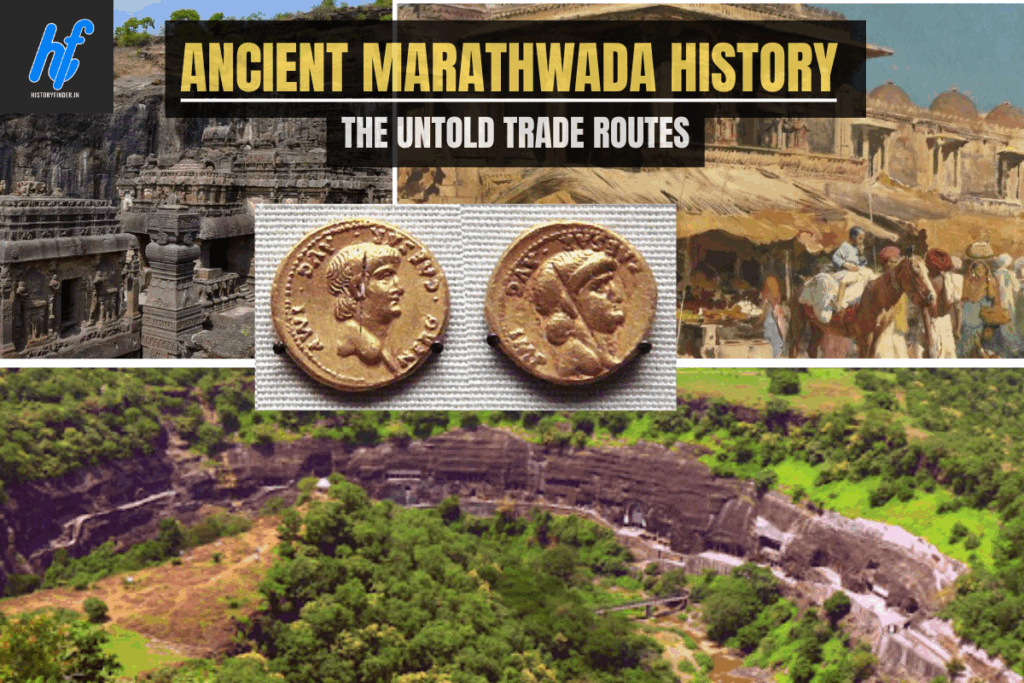
Ancient Marathwada History – The Untold Trade Routes

Vedic Wisdom Explained: Ancient Insights for Modern Life

The Bhils of India: A Rich Culture From Bows To Brushes

Jhalkari Bai Life History: The Braveheart Who Fooled the British

Surat Raids by Shivaji Maharaj: The Debated Legacy

Legacy of Rani Lakshmi Bai: 10 Things You Must Know