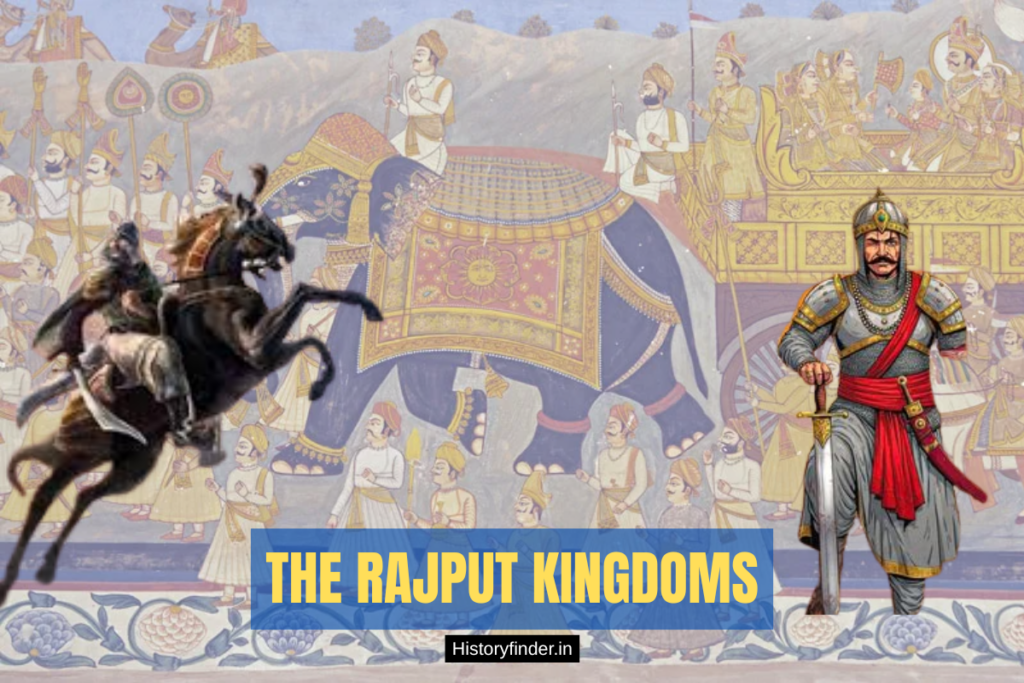
The Rajput Kingdoms played a major role in shaping medieval Indian history. Known for their courage, military skill, and fierce loyalty to honour, the Rajputs created a strong warrior identity that defined the politics and culture of North‑Western India for centuries. Their forts, palaces, and stories continue to influence the heritage of Rajasthan and neighbouring regions even today.
The history of the Rajput clans includes tales of resistance against foreign invasions, political alliances with powerful empires, internal rivalries, and remarkable examples of leadership. Their legacy lives through rulers like Maharana Pratap, Rana Kumbha, Rana Sanga, Prithviraj Chauhan, and Rao Jodha, whose contributions still hold a significant place in India’s historical memory.
Origins of the Rajputs
The Rajputs emerged as a powerful group between the 6th and 12th centuries CE. They formed from various clans, warrior families, and ruling houses that rose to prominence after the decline of the Gupta Empire. Over time, these groups identified themselves as Kshatriyas and developed a shared martial culture.
Several Rajput clans trace their origins to legends. Some claim descent from the Solar Dynasty (Suryavanshi), others from the Lunar Dynasty (Chandravanshi), and some from the Agnivanshi, believed to have originated from a sacred fire ritual.
By the early medieval period, Rajput clans controlled large territories across Rajasthan, Gujarat, Madhya Pradesh, parts of Uttar Pradesh, and even the Himalayan foothills.
Major Rajput Dynasties
1. Sisodiya Rajput Dynasty of Mewar (c. 8th century CE – 1947)
The Sisodia Rajputs of Mewar ruled from Chittorgarh and later Udaipur. They were known for their resistance to foreign invasions. Rana Kumbha, Rana Sanga, and Maharana Pratap were their greatest rulers. Mewar built iconic forts like Kumbhalgarh and Chittorgarh Fort. The kingdom preserved its independence longer than most Rajput states and became a symbol of Rajput honour and resilience.
2. Kachwaha Dynasty of Amber/Jaipur (c. 11th century CE – 1947)
The Kachwahas ruled first from Amber and later from Jaipur, founded by Sawai Jai Singh II in 1727. Their best-known ruler, Raja Man Singh I, was a trusted Mughal general. The dynasty built iconic structures such as Amber Fort and the Jantar Mantar observatories. Jaipur became a center of planned urban development and astronomy.
3. Rathore Dynasty of Marwar (c. 13th century CE – 1947)
Marwar was ruled from Jodhpur by the Rathore clan. Rao Jodha founded Jodhpur and strengthened its desert fortifications. The Mehrangarh Fort became one of the most powerful Rajput strongholds. The kingdom grew as a major force in western Rajasthan and played an important diplomatic role during the Mughal period.
4. Chauhan Dynasty of Ajmer and Delhi (c. 8th century CE – 1192)
The Chauhans ruled from Ajmer and expanded into Delhi under Prithviraj Chauhan. Prithviraj is remembered for his battles against Muhammad Ghori, which became legendary in Rajput folklore. The kingdom controlled key trade routes and maintained strategic forts across central Rajasthan.
5. Parmar Dynasty (c. 9th century CE – 1305)
Based in Malwa, they were known for patronizing art and literature. Raja Bhoja of Dhar was one of the greatest scholar‑kings of India.
6. Other Important Dynasties
- Guhilas of Mewar
- Chandelas of Bundelkhand (builders of Khajuraho temples)
- Solankis of Gujarat
- Bhumihar Rajputs of Bihar
Each contributed to regional stability and cultural growth.
Rajput Culture, Society, and Traditions
Rajput society centred around concepts of honour, loyalty, courage, and kinship. Their identity was built on:
- Clan loyalty (Kul or Vansh)
- Codes of warfare and bravery
- Strong lineage traditions
- Heroic ballads and oral narratives
Rajput culture also included:
- The tradition of Jauhar, performed during sieges
- Patronage of arts, poetry, and temple architecture
- A strong emphasis on festivals and rituals
- Royal court traditions involving music and martial displays
Women in Rajput society played an important role in preserving culture and honour. Queens like Rani Padmini, Rani Karnavati, and Jodha Bai are remembered for their courage, diplomacy, and influence.
Conflicts and Alliances of the Rajput Kingdoms
Rajput kingdoms were known both for internal rivalries and external resistance.
Internal Dynamics
Many Rajput states fought among themselves for territory and supremacy. These internal conflicts often weakened collective strength.
External Relations
They faced repeated invasions from:
- Ghaznavids
- Ghurids
- Delhi Sultanate
- Mughals
Some rulers resisted strongly, while others formed alliances.
Rajput–Mughal Relations
This relationship was complex.
- Some, like Rana Pratap, opposed Mughal expansion.
- Others, like the Kachwahas, built strong political partnerships.
These alliances helped shape the political future of North India.
Forts and Architecture of the Rajput Kingdoms
Rajputs built some of the strongest and most beautiful forts in India. Important examples include:
- Chittorgarh Fort
- Kumbhalgarh Fort
- Mehrangarh Fort
- Amber Fort
- Ranthambore Fort
- Jaisalmer Fort
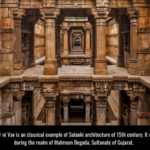
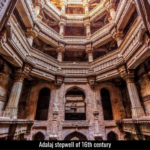
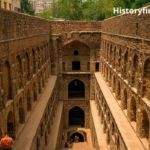
These forts reflect Rajput engineering skill and their emphasis on defence. They also built temples, stepwells, and palaces decorated with frescoes and carvings that show their artistic excellence.
Decline of the Rajput Kingdoms
By the 18th century, Rajput kingdoms faced several challenges:
- Rising Maratha power
- Mughal decline
- British expansion
- Internal rivalries
- Economic strain
Many Rajput states eventually became princely states under British rule. Yet they retained their cultural identity and local authority until India’s independence in 1947.
Legacy of the Rajputs
The Rajput legacy continues today through:
- Their grand forts and palaces
- Ballads and folklore
- Royal traditions still preserved in Rajasthan
- Festivals like Gangaur and Teej
- Their contribution to Indian art and warfare
- Stories of bravery passed through generations
Rajput rulers shaped regional identity and left behind a heritage that remains deeply admired.