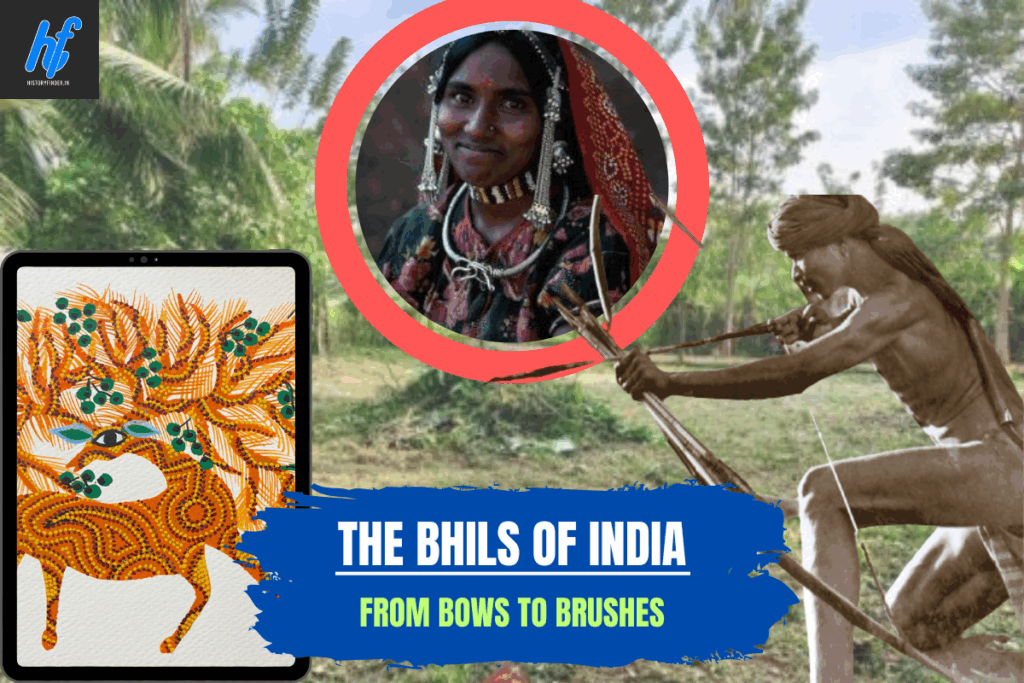
The tribal heritage of India is incomplete without acknowledging the Bhils. They are the largest, indigenous, and ancient tribe who are strongly suriving in India. The identity of the Bhils date back to the ages of Ramayana that states about Bhil settlement at Dandakaranya nearly around 7,000 BCE. But the Bhils now have a wider presence, in north, west and central India. The Bhils are widely notable for arhcery, art, cultures, festivals, alongside a rich history.
The ancestral history of the Bhils connects to the tribal group Nishadas, and the story of Ekalavya. It marks the nearby forests of Hastinapur also had been a part of their homeland. The Bhils now have strong presence in Gujarat, Rajasthan, Madhya Pradesh and Maharashtra. While they also are traceable in the rurals of Chhattisgarh and Andhra Pradesh.
The name ‘Bhil’ arrived from the Dravidian word ‘billu’ which means bow. Bhils are traditionally famous as very good archers, experts in guerrilla warfare coupled with deep knowledge of their local geography. Maharana Pratap, used their skills deliberately, rebuilt his army with the Bhils after his initial loss to the Mughals, and continued his lifelong fight.
Historical Roots: Warriors of the Forest
The Bhils are also believed to be among the oldest inhabitants of India. Historically, they were known for their exceptional skills in archery and guerrilla warfare. Maharana Pratap and his association with the Bhils are extremely popular in India. Even Mughal emperor Akbar was completely devastated with their association and countless assaults. The Bhils are notable as excellent archers and warriors.
Bhil Rebellion in Gujarat
The Bhils of Gujarat rebelled on several occassions during British rule. Bhil unrests of 1846, 1857-58 and 1868 are most notable. The British empire employed Criminal Tribes Act in 1871, which designated the Bhils as a “criminal tribe”. According to the law, the British could enforce random arrest, torture, or even kill a Bhil tribal, anytime, without any prior order.
Revolt by Tantya Bhil- India’s Robin Hood
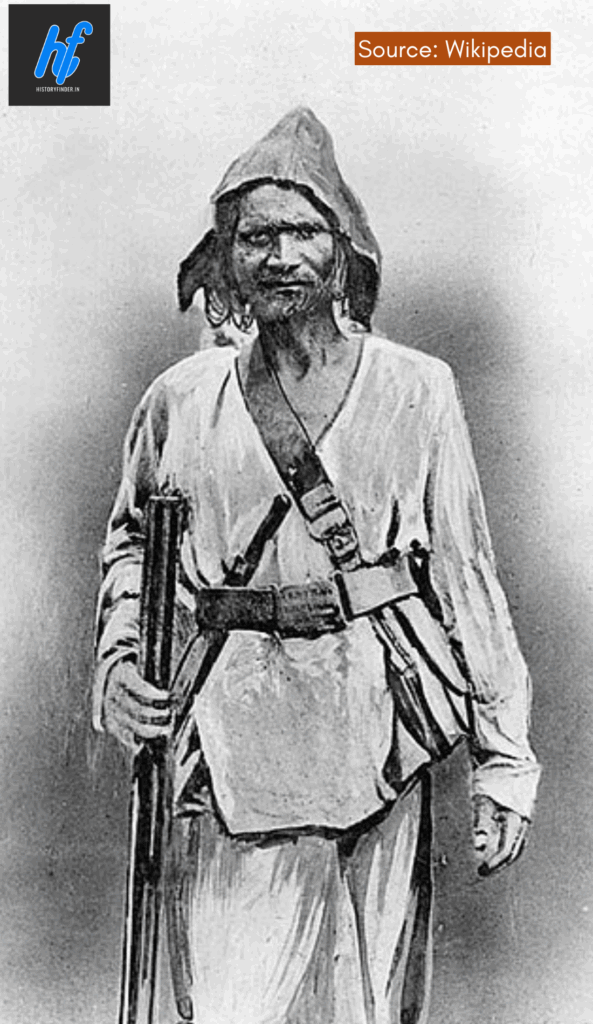
Tantya Bhil was an iconic figure during the uprise of late 19th century in Nimar of Madhya Pradesh. He was actively involved armed struggle against colonial rule, especially pludering British treasury. But, all of his looted money was for the local community. His 12 years struggles remained long nightmare to the British administration. Upon his arrest, his confession was loud and clear- the original looter of India’s money were the British, not him. The November 10, 1889 edition of New York Times published Tantya Bhil story, marking him as “India’s Robin Hood”.
Bhagat Movement
During the early 1880s, the British imposed ban on alcohol manufacture and witch hunting. It was a threat to the centuries old cultural practices of the Bhils. In 1883, Govind Guru, a social and political leader, united the Bhils of Dungarpur and Banswara against various injustices. Forced labor and petty taxes were the major injustice to the Bhils. Govind Guru’s Bhagat movement majorly aimed to pressurize the princely states to get these practices stopped.
In 1913, the matter further escalated after Mewar State’s Girasias joined in the struggle. The Jagirdars of Mewar eventually called a British political agent to suppress the mutiny. On November 17, 1913, British and Indian armed troop attacked the stronghold of Govind Guru at Mangarh. Historian Ram Pande recorded about 1,500 were shot dead in Mangarh massacre.
Cultural Identity of the Bhils: Artistic, and Community-Centric
The Bhils have deeply spiritual, artistic, and nature oriented cultures. Bhil festivals, beliefs, even daily lives emphasise their ancestral traditions. Their economy rely on agriculture and forest produced goods only. But they had been self-dependent, always. Further, they carry their ancestral tradition of collective decision-making through village councils. It marks a strong cultural identity of the Bhils of India.
Bhil Folk Songs and Dances
Bhil culture is notable for unqiue folk songs and dances. It means a cultural recreation to them. Bhil women dance during cultural festivals, marriage and birth celebrations. Lathi (stick) and Dhol are very common in Bhil folk dances. Different dance forms include marriage dance, Holi dance, Battle dance, Bhagoria dance, Deepawal dance, Sajoni dance and hunting dance. The Bhils use several musical instruments while playing their folk music. All of them either local or home made. Harmonium, Sarangi, Kundi, Bansuri, Apang, Tabla, Jhanjh, and Thali are very common in Bhil folks.
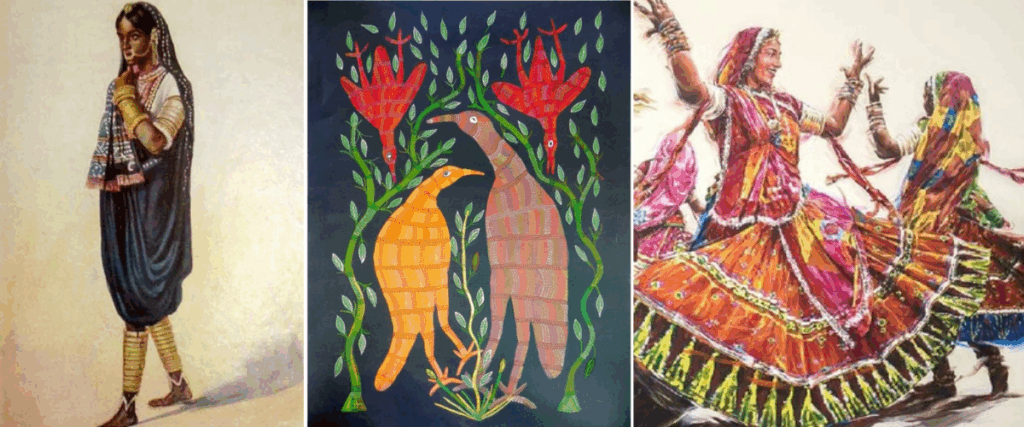
Ghoomar and Gavri are the traditional folk dance of Bhil tribe. Ghoomar dance is a symbolic expression of Bhil womanhood. While, Gavri is a festival and dance form celebrated and performed by the Bhil tribes of Mewar.
Bhil Art- The Vibrant Dots of Pithora Art
The Bhils are equally notable for their fab artistry. Bhil art is a vibrant, tribal form that proudly features the cultural heritage of India. They have been carrying the ancient art form through their generations. The rich colors, intricate patterns, and dotted strokes often depict daily life, mythology, and nature.
Pithora art, the famous art form of Gujarat had roots into the ancient brush strokes of the Bhils. With time, several other tribes of Gujarat have adopted practicing the unique art form, mostly for commercial pusposes. Baba Pithora (or, Pithoro), their central deity, is the prime feature of any Pithora art. The paintings feature numerous motifs, each with its own significance. These motifs are quite expressive, telling stories and representing aspects of life. Pithora art often consists themes like seven horses, or cultural processions of Baba Pithora.
Bhil Languages
The Bhils also have their own dialect, Bhili. Notably, Bhili itself has about up to 36 identified dialects, differs by region. The ancient language of the Bhils have gradually merged with regional languages like Marathi, or Gujarati. The census records about 10 millions people speaking the dialects of Bhili.
Worships and Festivals
Gramdev or Babadev is the central deity of every Bhil village. While every Bhil family has a Kuldev or Kuldevi. Typically, the Bhils worship almost every forest animals and reptiles. Bhati and Bhilat dev represent serpent gods. Karkulia dev represent god of crops. Gopal dev, Bag dev, and Bhairav dev represent different animals they worship.
The Bhils celebrate several Hindu festivals including Rakhi, Navratri, Dussehra, Diwali, and Holi. But the Bhils have their own traditional festivals too. Festivals like Akhatij, Navmi, Howan Mata ki Chalavani, Sawan Mata ki jatar, Diwasa, Nawai are quite popular within Bhil tribes. While celebrations of Bhagoria, Gal, Gar, Dhobi, Sanja, Indel, and Doha are quite noticeable.
Majority of the Bhils follow their own ‘Sonatan’ religion. Historian Victoria R. Williams stated Sonatan is a religious form of that “blends Hindu beliefs and animistic philosophies”. Apart from this, a large number of Bhils follow Hinduism. Alternatively, Dang Bhils follow Christianity, while the Nirdhi and Tadivi Bhils follow Islam.
The Last Words
The Bhils, offer a vivid glimpse into a unique cultural world shaped by resilience and creativity. Their intricate paintings, deep spiritual traditions rooted in nature worship. While their centuries-old folklore reflect a rich cultural heritage. Yet, their history is marked by displacement, marginalization. But their constant struggle for recognition and rights make them peerless.
The Bhils maintained a timeless connection between people, nature, and tradition. Their culture is not a relic of the past, but a living heritage of India. It continues to inspire, struggle, and survive against the odds.
You May Also Like:
Nalanda University History – The Lost Intellectual Capital of Asia
Historical Value of the Rig Veda as a Source of Early Indian History
History of Delhi: Rise, Destruction, and Rebirth of India’s Eternal Capital
Establishment of the Delhi Sultanate: How a New Era Began in India
The Making of Raigad: The Capital of Chhatrapati Shivaji Maharaj
Rajput Kingdoms: History, Culture, Dynasties and Their Legacy
History of the Maratha Empire: Rise, Expansion, and Fall of a Powerful Confederacy
Diamonds, Spices, and Horses: Global Trade of The Vijayanagara Empire
How Vijayanagara Empire Was Born: History of A Grand Revival

Chanakya and Nanda Dynasty: Ancient India’s History Changing Strategies

Chandragupta Maurya and Chanakya: Rise of the Mauryan Empire
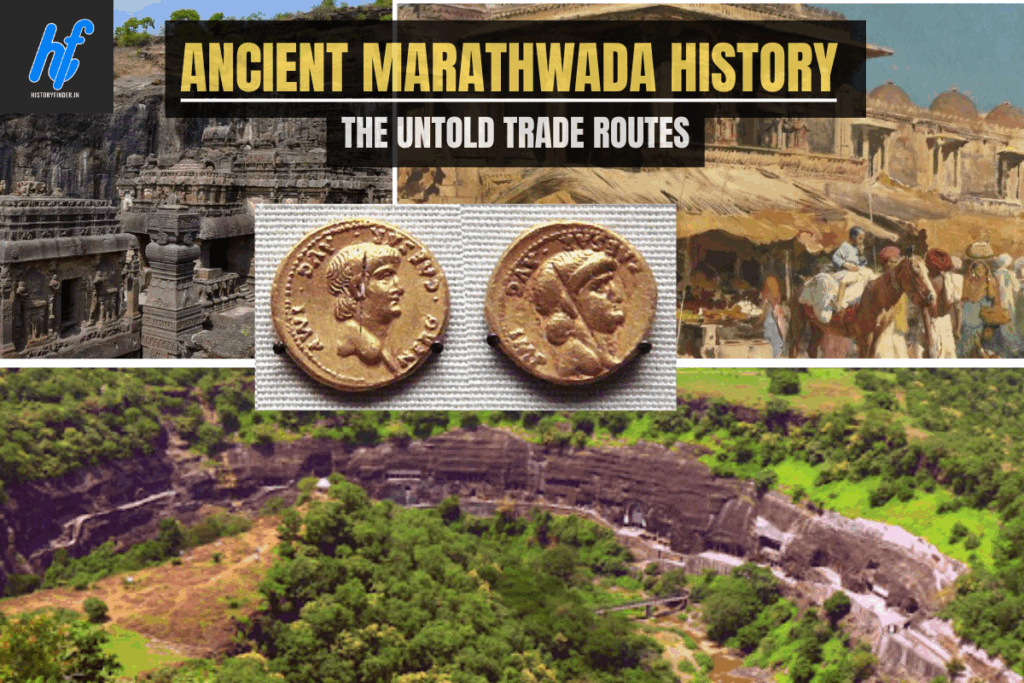
Ancient Marathwada History – The Untold Trade Routes

Independence Day of India: Why August 15, 1947 Was Chosen?

Vedic Wisdom Explained: Ancient Insights for Modern Life

Jhalkari Bai Life History: The Braveheart Who Fooled the British

Surat Raids by Shivaji Maharaj: The Debated Legacy

Legacy of Rani Lakshmi Bai: 10 Things You Must Know